Kitchen Pest Prevention Guide: Protecting Your Home's Food Safety
The kitchen is where household pest problems most frequently start, because it provides the three things pests need most: food, water and shelter. Effective kitchen pest prevention requires attention to both daily habits and environmental management.
Food Storage Management
All opened dry goods (rice, flour, sugar, pet food, etc.) must be stored in sealed containers; never leave food exposed at room temperature for more than 2 hours; keep fruits and vegetables refrigerated or use promptly after purchase; thoroughly clean bread boxes and biscuit tins after emptying; do not leave kitchen waste in the kitchen for extended periods.
Kitchen Cleaning Habits
Clean the hob and countertops every evening before bed, removing all food residue; clean refrigerator door seals weekly (cockroaches love hiding there); wash the kitchen waste bin and rubbish bin weekly; regularly (every 1–2 months) clean behind the hob and under the refrigerator; clean the cooker hood grease filters monthly.
Physical Pest Prevention Measures
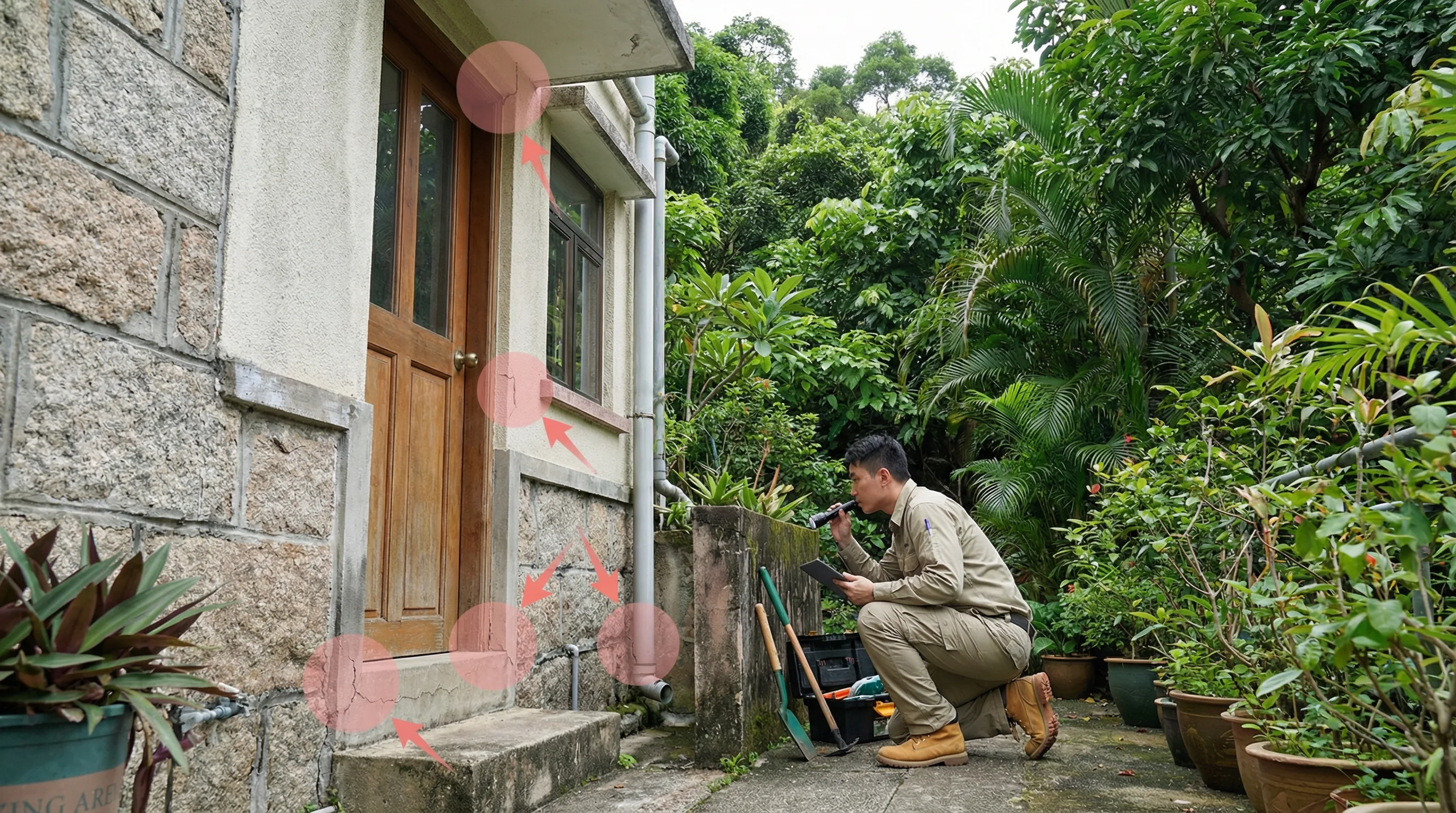
Seal all pipe gaps under the kitchen sink with silicone; install drain covers/pest screens on kitchen drain openings (available at hardware stores); ensure kitchen window screens are intact, particularly windows facing kitchen exhaust pipes; use lidded bins and store in ventilated but covered areas; regularly check kitchen walls for cracks and repair promptly.